Salty, tangy umeboshi plums transform a humble bowl of steamed rice into a deeply satisfying Japanese staple loved for centuries.
Servings
4
Prep
10 min
Cook
40 min
Umeboshi rice is one of Japan's most enduring comfort foods — steamed short-grain rice paired with the bold, salty-sour punch of umeboshi (pickled Japanese plums). The contrast between the mild, sticky rice and the intensely flavoured plums is what makes this dish so memorable. It requires almost no effort, yet the result feels nourishing and complete. Serve it as a simple main, a side dish, or pack it into onigiri rice balls for a traditional Japanese lunch on the go.
Ingredients
- 300 g short-grain Japanese rice (sushi rice)
- 360 ml cold water (for soaking and cooking)
- 4 umeboshi plums (whole, pitted or unpitted)
- 1 tbsp soy sauce (optional, for serving)
- 1 tsp toasted sesame seeds
- 2 sheets nori (dried seaweed), cut into thin strips — optional
- 2 spring onions, finely sliced — optional
Instructions
- Place the rice in a fine-mesh sieve and rinse under cold running water, stirring gently, until the water runs nearly clear. This removes excess starch and ensures fluffy, separate grains.
- Transfer the rinsed rice to a medium saucepan. Add 360 ml of cold water and let the rice soak for 20 minutes.
- Place the saucepan over high heat and bring to a boil uncovered. Once boiling, reduce the heat to the lowest setting, cover tightly with a lid, and cook for 12–13 minutes.
- Remove from heat without lifting the lid and let the rice steam undisturbed for 10 minutes. This resting step is essential for perfectly cooked rice.
- Uncover, fluff the rice gently with a rice paddle or a fork, and divide into 4 bowls.
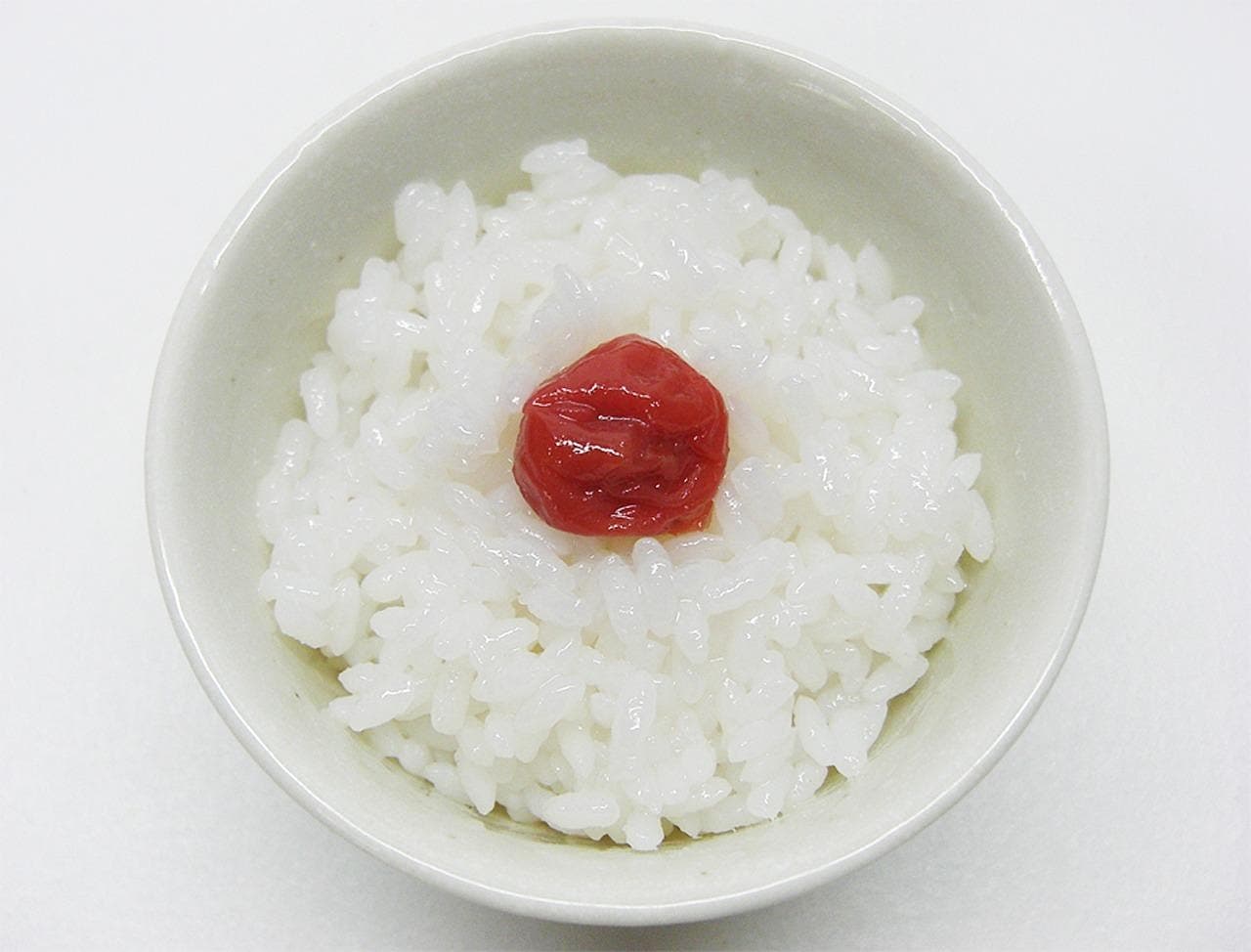
- Place one umeboshi plum on top of each bowl of rice. If desired, tear or roughly chop the plum and mix it lightly through the rice.
- Garnish with toasted sesame seeds, nori strips, and sliced spring onions if using. Serve immediately.
Tips
- Rice variety matters: Short-grain Japanese rice gives the best sticky texture. Avoid long-grain or jasmine rice, which won't hold together properly.
- Umeboshi strength: Umeboshi vary in saltiness. If yours are very salty, one plum per bowl is plenty — taste before adding more.
- Onigiri version: Press the cooked rice into triangular shapes with a small piece of umeboshi tucked into the centre, then wrap with a strip of nori.
- Storage: Leftover rice keeps well in an airtight container in the refrigerator for up to 2 days. Reheat gently with a splash of water.
Umeboshi rice has its roots in Japanese culinary tradition going back over a thousand years. Umeboshi — salted and sun-dried ume fruits — have long been a staple of the Japanese diet, valued for their bold flavour and role in everyday meals. In traditional Japanese cuisine, a single umeboshi placed at the centre of a bowl of white rice is called hinomaru bento, evoking the image of the Japanese flag — a beloved, iconic preparation that has fed generations of Japanese families and schoolchildren alike.
As an Amazon Associate, Holistic Codex earns from qualifying purchases. Product recommendations are editorially independent.
Nutrition of key ingredients — per 100 g of each ingredient separately (not per serving), source USDA
| Ingredient | kJ / kcal |
|---|---|
| rice | 1741 / 416 |
| umeboshi plum | 192 / 46 |
| sesame seeds | 2397 / 573 |
| green onion | 113 / 27 |
Frequently Asked Questions
Medical Disclaimer: This article is for educational purposes only and does not constitute medical advice. Always consult a qualified healthcare professional before starting any supplement regimen or making changes to your diet, especially if you have a medical condition or take medications.