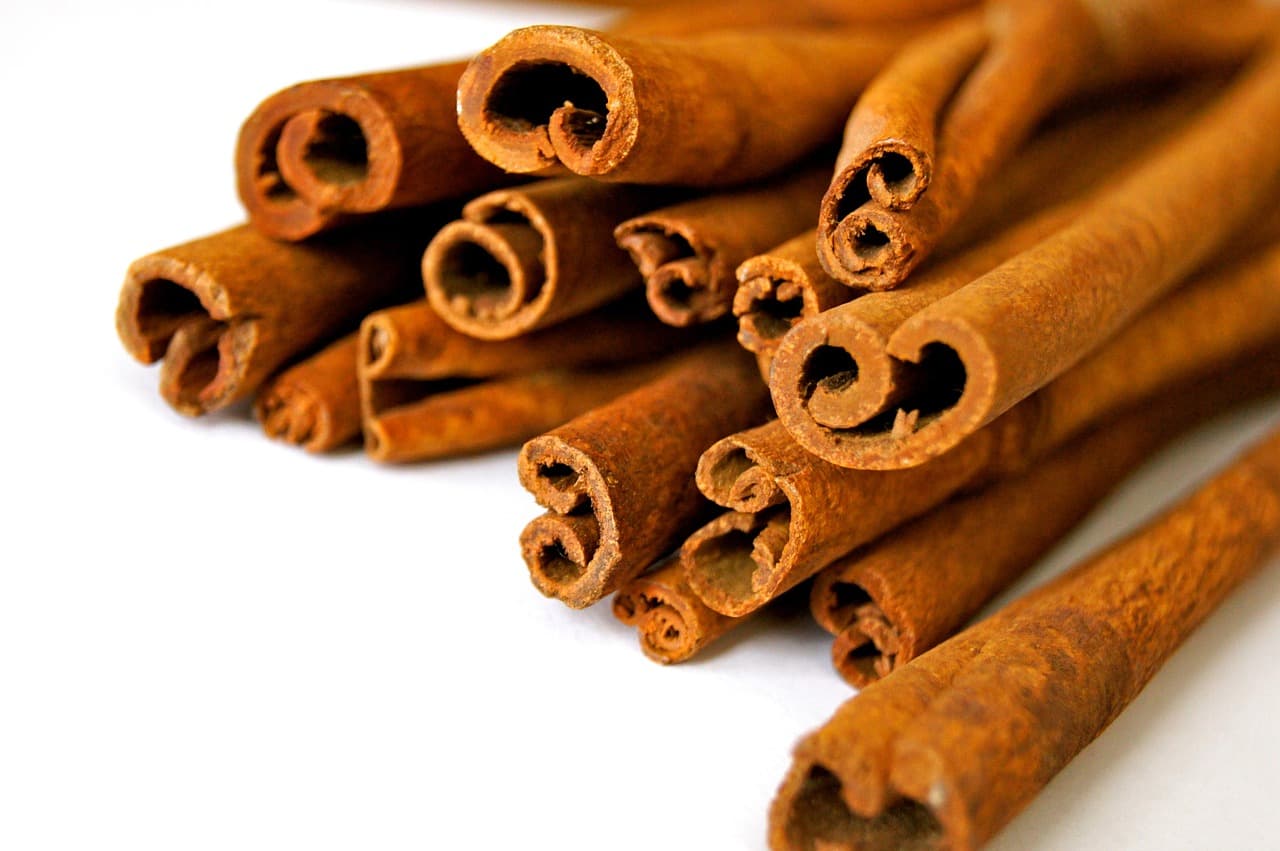
A kitchen spice with a centuries-old reputation for warming the gut is now being tested for something more specific: keeping blood sugar in check.
Key takeaways
- A small 12-week human trial found cinnamon lowered blood sugar by about 30 mg/dL on top of diet changes alone.
- Animal studies show cinnamon extracts lower glucose in diabetic rats, with one extract rivaling metformin's effect.
- Traditional systems from Ayurveda to Kampo have used cinnamon bark for digestion and "warming" the gut for centuries, though not specifically for blood sugar.
- Human evidence is still limited to one small trial, so cinnamon should support, not replace, medical treatment for diabetes.
- Cinnamon oil carries documented interactions with several compounds, so check with a doctor before combining it with other treatments.
Cinnamon sits in almost every spice rack, mostly there for flavor. But researchers have spent over a decade asking a more pointed question: can this everyday bark actually move the needle on blood sugar, not just taste good sprinkled on oatmeal?
What it is and how it works
Cinnamon comes from the dried inner bark of trees in the Cinnamomum family. Cinnamomum verum, sometimes called true or Ceylon cinnamon, is the species catalogued in depth by the USDA's phytochemical database, which lists compounds like ascorbic acid, beta-carotene, and benzaldehyde among its many constituents. Cinnamomum cassia, a closely related species, is the type most often used in the human blood sugar trial described below. Researchers suspect these plant compounds interact with how the body handles glucose, which is why animal studies have tested cinnamon extracts head-to-head against a standard diabetes drug.
Is this for you?
Why are you considering cinnamon for blood sugar?
This is not medical advice — just general orientation.
What the research shows
The clearest human data comes from a 12-week trial of 18 people with type 2 diabetes, split evenly between men and women1. After a 3-week baseline period, half the group took 1000 mg of Cinnamomum cassia daily for 9 weeks while the other half took a placebo, with everyone following the same diabetic diet throughout. The cinnamon group saw a statistically significant drop in blood sugar, averaging about 30 mg/dL, a decrease the researchers describe as comparable to what oral diabetes medications typically achieve. Notably, the cinnamon group's improvement outpaced what dietary changes alone produced in the placebo group.
Ayurveda
India · over 3,000 years
Ayurveda knows cinnamon bark as Tvak, classified as pungent, bitter and sweet, and believed to pacify both Kapha and Vata. The Ayurvedic Pharmacopoeia of India credits it with kindling agni — the digestive fire — and clearing the throat, which is why it sits inside classical formulas such as Sitopaladi Churna, traditionally dosed at just 1 to 3 grams of powder. Read the classical indications closely and a pattern emerges: every one of them concerns digestion, breath, or the throat. Prameha, the Ayurvedic disease category that most closely resembles diabetes, is treated with entirely different herbs. Cinnamon was never the answer to it.
What the science says
DisputedModern trials test cinnamon for exactly the thing Ayurveda never used it for, so the tradition offers no independent support for the blood-sugar claim.
TCM
China · over 2,000 years
In Traditional Chinese Medicine cinnamon bark is Rou Gui, and the classical indication is unusually specific: it chases away deficiency cold lodged in the spleen and stomach. A practitioner reaches for it when digestion has gone cold and sluggish, when there is abdominal pain that warmth relieves, when appetite has faded. It appears in formulas like Gui Fu Li Zhong Wan built around exactly that pattern. Chinese medicine does have a category for diabetes-like illness — xiao ke, wasting thirst — and it is well developed, with its own prescriptions. Rou Gui is not among the herbs that define it.
What the science says
DisputedThe warming, digestive rationale predates the modern glucose research by nearly two thousand years and does not overlap with it. 9
Japanese Kampo
Japan · since the 7th century
Japanese Kampo is the one tradition here where cinnamon and blood sugar genuinely meet — though not in the way a supplement label would suggest. Hachimijiogan, one of the most prescribed Kampo formulas for age-related complaints including diabetes, does contain cinnamon bark: Cinnamomi cortex makes up 4.5 percent of the formula by weight, roughly one gram alongside rehmannia, cornus, dioscorea, alisma, poria, moutan and processed aconite. But Kampo prescribes the whole formula for a constitutional pattern, never the single herb for a number. And when researchers went looking for which components actually blunt glucagon signalling, the activity traced back to rehmannia root, moutan bark and cornus fruit — not to the cinnamon. Everywhere else in Kampo the bark keeps its ordinary job: in Keishikashakuyakuto it stands beside peony root, jujube, licorice and ginger in a formula built to settle a troubled belly, not to move a number on a meter3.
What the science says
PartialA cinnamon-containing formula is used in this territory, but the effect is credited to other ingredients, and the insulin-resistance data come from mice rather than people. 10
Korean Medicine
Korea · Dongui Bogam (1613)
Korean medicine has a fully developed account of what we now call diabetes. It is called sogal, wasting thirst — the same 消渴 that runs through East Asian medicine — and the Dongui Bogam of 1613, the canonical Korean text, records prescriptions aimed squarely at it. Gangsimtang is one of them, still studied clinically in Korea today. What is striking is what those prescriptions are built from: rehmannia, ginseng, ophiopogon and their relatives. Cinnamon is certainly no stranger to Korean practice — as gyepi it is read as pungent, sweet and hot in nature, a herb that warms a cold spleen and stomach when that cold shows itself as vomiting or bloating, and it is recorded in the 1613 formula Jinaekdan4. Used freely in that role, it still does not appear among the herbs that define the wasting-thirst formulas.
What the science says
DisputedThe tradition recognised the illness and answered it with a specific set of herbs — and cinnamon was not one of them. 11
Unani
Greco-Persian lineage · since Avicenna
Unani medicine calls cinnamon Darchini and places it at the warm and dry end of the temperament scale, second to third degree, where it serves as a tonic for the heart, the liver and the stomach. Avicenna wrote about it in the Canon of Medicine as an antidote and as a remedy for palpitations, for disturbances of the mind, for fear — a cardiac and nervous herb far more than a metabolic one. The compound preparations point the same way, with Darchini appearing in formulations such as Jawarish. Diabetes does appear among Darchini's indications, but it appears in modern Unani review literature, not in the classical text. That distinction is worth keeping: it is contemporary pharmacology written back into an old system, not something Avicenna claimed.
What the science says
PartialThe classical indications are digestive and cardiac; the diabetes association is a modern addition to Unani writing rather than a thousand-year-old observation.
European Herbalism
Europe · centuries of folk use
European herbalism recorded cinnamon carefully and narrowly. Maud Grieve's A Modern Herbal, the 1931 compendium that still anchors much of Western herbal practice, lists it as carminative, astringent, stimulant and antiseptic, and notes that it stops vomiting, relieves flatulence, and is useful for diarrhoea. That is the whole of it. There is no entry for diabetes, none for sugar, none for the wasting diseases that European physicians of the period did recognise and did write about elsewhere. Cinnamon was a spice for the stomach and a preservative — valued, but for other work entirely.
What the science says
DisputedA tradition that documented cinnamon in detail for three centuries never connected it to blood sugar, which makes the modern claim genuinely new rather than rediscovered.
Tibetan Medicine (Sowa Rigpa)
Tibet · Sowa Rigpa
Sowa Rigpa, the medicine of Tibet, rarely hands over a single herb on its own — cinnamon reaches the patient inside a compound. The five-ingredient formula Se-'bru 5 sets it beside pomegranate, long pepper and cardamom, and the classical materia medica states the purpose plainly: to raise "stomach heat" and settle the heaviness and bloating that follow a meal (Tsarong, Handbook of Traditional Tibetan Drugs). That is a digestive prescription, and the tradition is consistent about it. The canon does not leave the illness unnamed. The Explanatory Tantra counts urine-wasting among its nineteen scattered diseases, gives it a chapter of its own, and traces it to an excess of the sweet taste: too much sweet, it says, breeds phlegm and a thickening body, and then urine-wasting and goitre appear. What it names against the disease is emblic, turmeric and barberry. Cinnamon appears on none of those lists, and it is not counted among the "six good medicines" either, the tradition's own short roll of prized aromatics.
What the science says
DisputedTibetan medicine knows cinnamon well, but as a warming digestive — the remedies it actually developed for diabetes-like illness are built from other plants entirely. 12
Animal research backs up the general idea that cinnamon lowers glucose, though these findings don't automatically translate to humans. A 2011 study using alloxan-induced diabetic rats compared methanol, hexane, and chloroform extracts of cinnamon against metformin, the standard type 2 diabetes drug2. All three extracts produced measurable blood-sugar-lowering effects, and the hexane extract outperformed metformin itself at the 4, 6, and 9-hour marks after treatment. A separate 2025 randomized controlled trial specifically tested cinnamon extract in people with type 2 diabetes7, adding to the still-thin pool of controlled human evidence. Other work has looked at cinnamon combined with earthworm extract for cholesterol and blood sugar8, and at cinnamon's effects during diabetic pregnancy in rats, where it was tested at 60 mg/kg for effects on fetal brain development rather than glucose control itself (Armaghane Danesh).
Dosage
- A 12-week human trial used 1,000 mg of Cinnamomum cassia daily and saw an average 30 mg/dL blood sugar reduction1.
- Traditional Ayurvedic use of cinnamon powder is 1 to 3 grams daily, though for digestive rather than blood-sugar purposes (Ayurvedic Pharmacopoeia of India, Part I, Vol. 1).
- Western herbal tradition uses an infusion of about 0.5 to 1 gram, up to four times a day, for digestive complaints.
Safety
- Cinnamon oil has documented interactions with several substances including antioxidants, doxorubicin hydrochloride, allopurinol, and clove oil.
- Animal research suggests cinnamon extracts can produce effects on blood sugar comparable to or exceeding metformin, raising the possibility of an additive effect if combined2.
What biohacking says
Biohacking
21st century · data & self-tracking
Cinnamon sits in the glucose-control corner of biohacking, usually as a capsule taken before a carbohydrate meal and judged by the curve on a glucose monitor. DrugAge is unusually split on it: cinnamon extract extended fruit-fly life by 17% and 37%5, while supercinnamaldehyde shortened roundworm life by 4% and 10%6. No mammal has been tested either way.
What the science says
PartialThe strongest grade cinnamon carries is not the one the stack is built on. Examine awards it a B for blood pressure, and for glycemic control reports that the precise effective dose cannot be stated at all, because dose-response studies are missing and meta-regression findings vary. Studied doses span 0.1 to 14 grams a day — a 140-fold range for a spice people measure by the spoon. Its coumarin content also gives it real potential to interact with blood-thinning and liver-stressing medications.
Practical takeaway
The human evidence for cinnamon and blood sugar rests mainly on one small but well-designed 12-week trial, where 1000 mg of Cinnamomum cassia daily produced a meaningful drop in blood sugar alongside a diabetic diet1. That's a promising signal, not proof for a broader population, since the trial only involved 18 people. Animal studies add support for the underlying idea that cinnamon extracts affect glucose metabolism, with some extracts performing as well as or better than metformin in rats2, but rat data doesn't guarantee the same result in you.
If you want to try cinnamon powder or a cinnamon extract supplement alongside your diabetes management plan, treat it as an addition to, not a replacement for, prescribed treatment. Because cinnamon oil carries documented interactions with substances like doxorubicin and allopurinol, and because cinnamon extract may have blood-sugar-lowering effects on par with diabetes medication, talk to your doctor before adding it, especially if you already take glucose-lowering drugs or are pregnant.
As an Amazon Associate, Holistic Codex earns from qualifying purchases. Product recommendations are editorially independent.
Frequently Asked Questions
Medical Disclaimer: This article is for educational purposes only and does not constitute medical advice. Always consult a qualified healthcare professional before starting any supplement regimen or making changes to your diet, especially if you have a medical condition or take medications.
Sources
- 1
Hoehn AN, Stockert AL.. The Effects of Cinnamomum Cassia on Blood Glucose Values are Greater than those of Dietary Changes Alone.. Nutrition and metabolic insights. 2012.
Moderate EvidenceEurope PMC ↗ - 2
Ali Hassan Wasfi R. Comparison the effect of Various Cinnamon plant Extracts with Metformin in Blood Glucose level of alloxan-induced diabetic laboratory rats. Kufa Journal For Veterinary Medical Sciences. 2011.
Moderate EvidenceOpen Access ↗ - 3
Oka T, et al.. Effects of Kampo on functional gastrointestinal disorders.. BioPsychoSocial medicine. 2014.
Moderate EvidencePubMed ↗ - 4
Korean Traditional Knowledge Portal — classical source text
- 5
Schriner SE, et al.. Extension of Drosophila lifespan by cinnamon through a sex-specific dependence on the insulin receptor substrate chico.. Experimental gerontology. 2014.
Moderate EvidencePubMed ↗ - 6
Lombard DB, et al.. High-throughput small molecule screening reveals Nrf2-dependent and -independent pathways of cellular stress resistance.. Science advances. 2020.
Moderate EvidencePubMed ↗ - 7
Agustia D, et al.. Effects of cinnamon extract on blood sugar levels of type 2 diabetes mellitus patients: Randomized Controlled Trial (RCT). AcTion: Aceh Nutrition Journal. 2025.
Moderate EvidenceOpen Access ↗ - 8
Erviani A, et al.. Effectiveness of Earthworm (Lumbricus rubellus Hoffmeister) and Cinnamon (Cinnamomum burmannii (Nees & T. Nees) Blume) Combination Capsule as Herbal Preparation in Reducing Cholesterol and Blood Sugar Levels. HAYATI Journal of Biosciences. 2025.
Moderate EvidenceOpen Access ↗ - 9
Zhang C, et al.. Cinnamomum cassia Presl: A Review of Its Traditional Uses, Phytochemistry, Pharmacology and Toxicology.. Molecules (Basel, Switzerland). 2019.
Moderate EvidencePubMed ↗ - 10
Funakoshi-Tago M, et al.. Kampo medicines, Rokumigan, Hachimijiogan, and Goshajinkigan, significantly inhibit glucagon-induced CREB activation.. Heliyon. 2020.
Moderate EvidencePubMed ↗ - 11
Joo S, et al.. Hypoglycemic Effect of an Herbal Decoction (Modified Gangsimtang) in a Patient with Severe Type 2 Diabetes Mellitus Refusing Oral Anti-Diabetic Medication: A Case Report.. Medicina (Kaunas, Lithuania). 2023.
Moderate EvidencePubMed ↗ - 12
Yan LS, et al.. Tibetan Medicine for Diabetes Mellitus: Overview of Pharmacological Perspectives.. Frontiers in pharmacology. 2021.
Moderate EvidencePubMed ↗


